Introduction
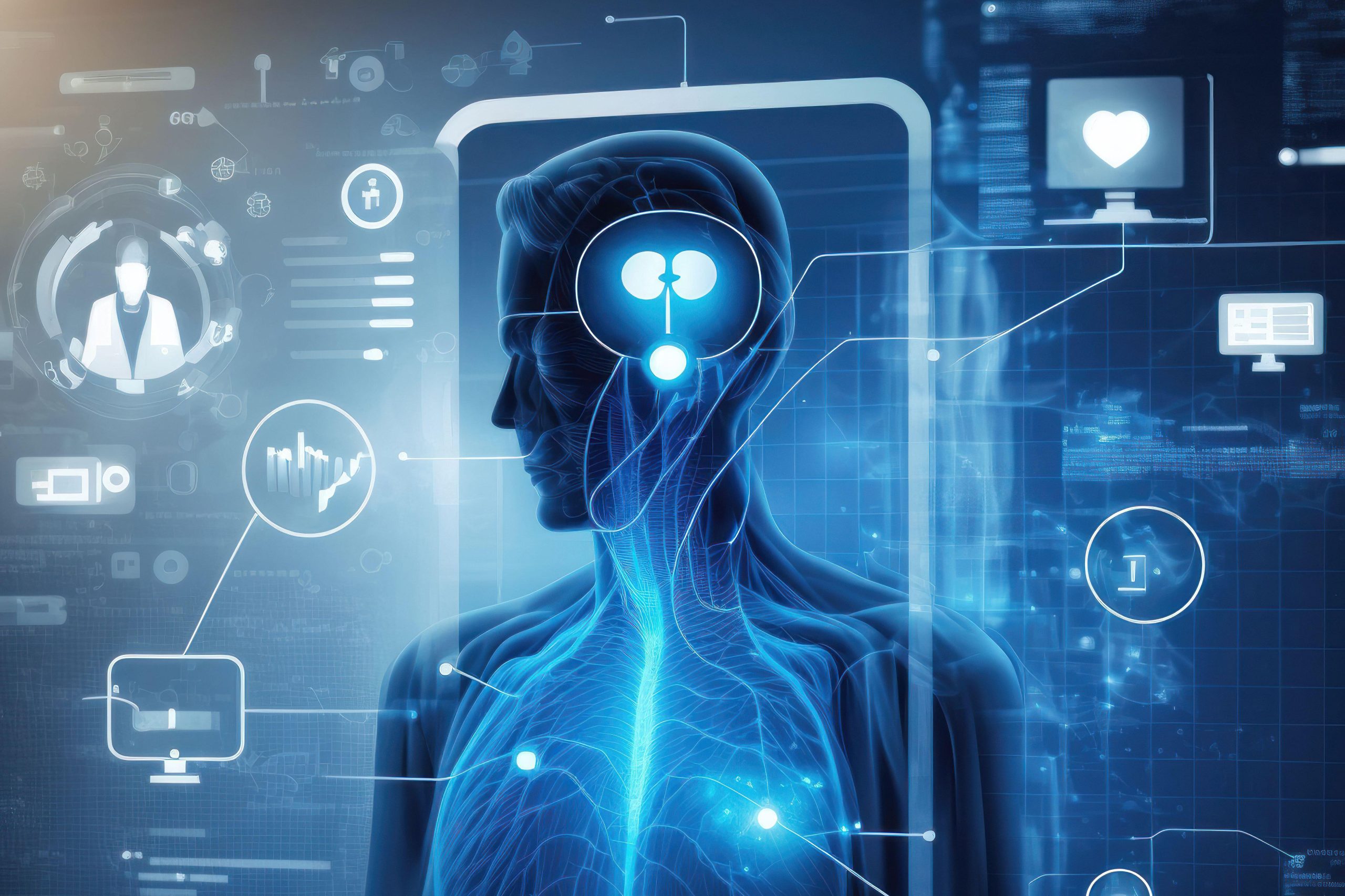
AI health diagnostics are one of the most exciting new technologies in healthcare in the past few years. We are now finding, diagnosing, and treating diseases in a different way because of this new technology. AI health diagnostics are getting better at being fast, accurate, and easy to get to in ways that were thought to be impossible before. In domains including radiology, pathology, cardiology, and primary care, they are doing this.
The Rise of AI Health Diagnostics
AI health diagnostics began with simple data analysis systems. Now, they have gone on to complicated neural networks that can read medical data almost as well as a person can. These computers look at a lot of data from medical imaging, test findings, and patient histories to uncover patterns that even the best doctors would miss. Using machine learning and big data together, AI health diagnostics are creating a new standard for evidence-based healthcare.
How AI Health Diagnostics Improve Accuracy
One of the best things about AI health diagnostics is that they can help humans make fewer mistakes. Traditional diagnostic approaches depend a lot on how the doctor interprets the results, which can vary from person to person. AI-driven systems, on the other hand, look at millions of medical cases to make sure that the diagnosis are always correct. For instance, AI algorithms can discover signs of cancer in medical scans long before any symptoms appear. This early detection saves lives and gives doctors more information so they can make decisions faster.
AI Health Diagnostics in the Real World
AI health diagnostics are increasingly being employed in a lot of different medical fields. AI can read X-rays, MRIs, and CT scans in radiology with incredible precision. Image recognition algorithms can discover skin cancers in dermatology as well as the best dermatologists can. In cardiology, AI systems that combine ECG data, lifestyle behaviors, and genetics to predict heart problems are helpful. These examples show how AI health diagnostics are helping to fill in the gaps in healthcare delivery and making it easier to undertake sophisticated medical evaluations.
Using AI health diagnostics to make things easier to reach
Getting excellent health care has been an issue in many parts of the world for a long time, especially in rural or neglected areas. AI health diagnostics help with this by helping people get diagnosed without having to go to the doctor. Patients can now use smartphone apps or wearable devices powered by AI to keep a watch on their blood oxygen levels, vital signs, and glucose levels in real time. The data that was collected is looked at right away, which allows health care professionals know about probable health issues. This kind of access makes sure that everyone can get quick and accurate diagnostic information, no matter where they are.
AI Health Diagnostics for Customized Care
AI health diagnostics know that each patient’s health journey is unique. AI systems may look at your health data, family history, and lifestyle to provide you individualized suggestions and treatments. For instance, an AI platform can predict how a patient will respond to a given drug, which minimizes the risk of side effects. This personalization is transforming how we think about preventive health care and providing patients the power to make informed health decisions.
Ethical Problems with AI Health Diagnostics
AI health diagnoses have apparent benefits, but they also raise big moral questions. Data privacy, algorithmic bias, and regulatory oversight must be managed with utmost diligence. Healthcare firms and developers are working together to design AI systems that are easy to understand, fair, and protect patient data. Responsible innovation is the key to making sure that AI health diagnostics stay a good thing and don’t cause problems like unfairness or distrust.
What AI health diagnoses will look like in the future
The future of AI health diagnostics is brighter than ever. As machine learning models get better, we may expect them to become more accurate, discover problems sooner, and provide us more information about how diseases progress. Adding AI to genetics, telemedicine, and wearable technologies will make healthcare even more focused on the patient and proactive. In the next ten years, AI health diagnostics could become the most essential part of precision and predictive medicine around the world.
Conclusion
AI health diagnostics are a mix of compassion and technology in modern medicine. AI is revolutionizing healthcare by making diagnosis more accurate, making care easier to get, and customizing treatment for each patient. This technology will not only enhance health outcomes as it becomes better, but it will also make the world a better place for everyone by making it more connected, informed, and fair.