Introduction
People all over the world have been interested in brain interface devices in recent years because they can connect human thought with digital technology. These cutting-edge technology link computers directly to the human brain, making it possible to communicate without speech or movement. Neural interface devices are helping to create a new era of innovation that changes the way we live, work, and heal as the line between biology and technology becomes less clear.
How do neural interface devices work?
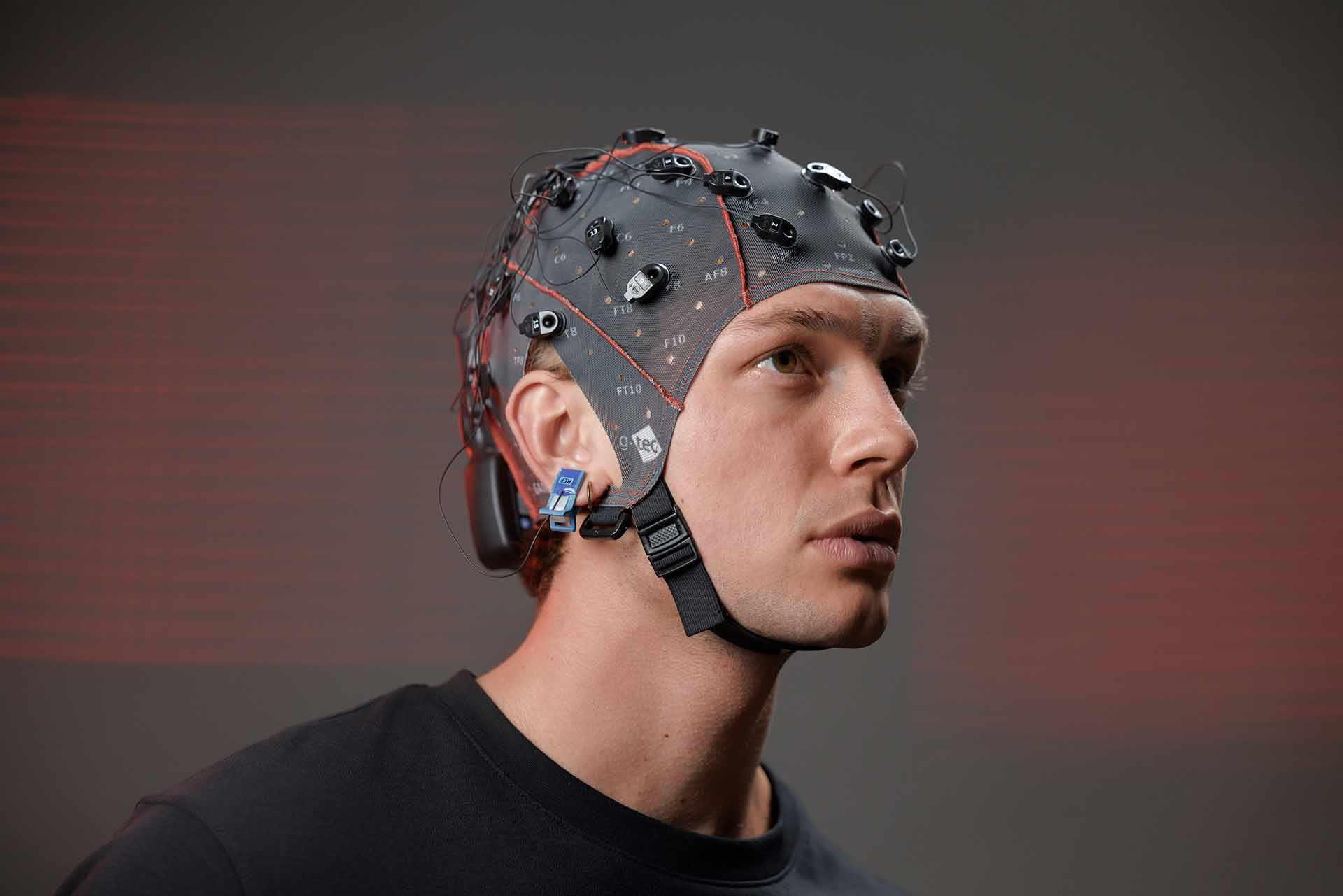
Neural interface devices convert brain signals into digital commands at their most basic level. To find neural activity, tiny electrodes are put either on the scalp or directly on the brain’s surface. Then, advanced algorithms figure out what these signals mean and turn them into actions, like moving a robotic arm, composing a message, or managing a virtual object. This real-time communication between the brain and technology is one of the biggest steps forward in how people and computers work together.
Uses in healthcare and rehabilitation
In medicine, neural interface devices are one of the most promising new technologies. They give people with paralysis, spinal cord injuries, or neurological illnesses hope. Patients can restore autonomy by manipulating prosthetic limbs or wheelchairs via cognitive processes. Researchers are also looking into neural interface devices that can treat disorders like epilepsy, Parkinson’s disease, and depression by stimulating certain parts of the brain. These new ideas are changing rehabilitation and giving millions of people around the world new ways to get better.
Improving how people talk to each other
Neural interface devices have the potential to change communication in a big way, not just in medicine. These technologies can turn thoughts straight into text or speech for people who can’t talk because of an injury or disease. This kind of connection between the mind and a machine can also happen in virtual and augmented reality settings, where people could work together or talk to each other using only cerebral signals. As technology gets better, neural interface devices might do away with linguistic and physical ability constraints altogether.
Neural Interface Devices in Common Technology
Neural interface devices are slowly making their way into regular consumer technology, even though they are mostly used in healthcare right now. Companies are making neural headsets that you can wear for gaming, getting work done, and keeping an eye on your health. Think of being able to change the settings on your smart home or move around in a virtual environment just by thinking. As these devices grow easier to get, they could change how we engage with technology, making human intent the most important user interface.
Problems with ethics and privacy
Despite their promise, neural interface devices create major ethical and privacy problems. The capacity to access or manipulate brain data raises concerns around consent, security, and identity. Who has power over the knowledge that is taken from our minds? How can we keep people safe from anyone who might exploit this sensitive information? To protect human rights while encouraging innovation in neural interface devices, developers and governments need to work together to create frameworks.
What Neural Connectivity Will Look Like in the Future
It seems like the future of brain interface devices will be both exciting and complicated. As AI becomes increasingly a part of these systems, we might see better mental health treatments, better cognitive capacities, and new ways to be creative online. But to get to this future, we need responsible research, clear government, and public trust. Neural interface devices could change the course of human evolution by combining mind and technology in ways that were formerly only possible in science fiction.
In conclusion,
One of the most important new technologies for people is neural interface devices. They could help people get back skills they lost, make communication better, and provide whole new ways to connect with the digital world. This technology makes us think of a world where our ideas may change reality, which is the ultimate link between mind and machine.