Introduction
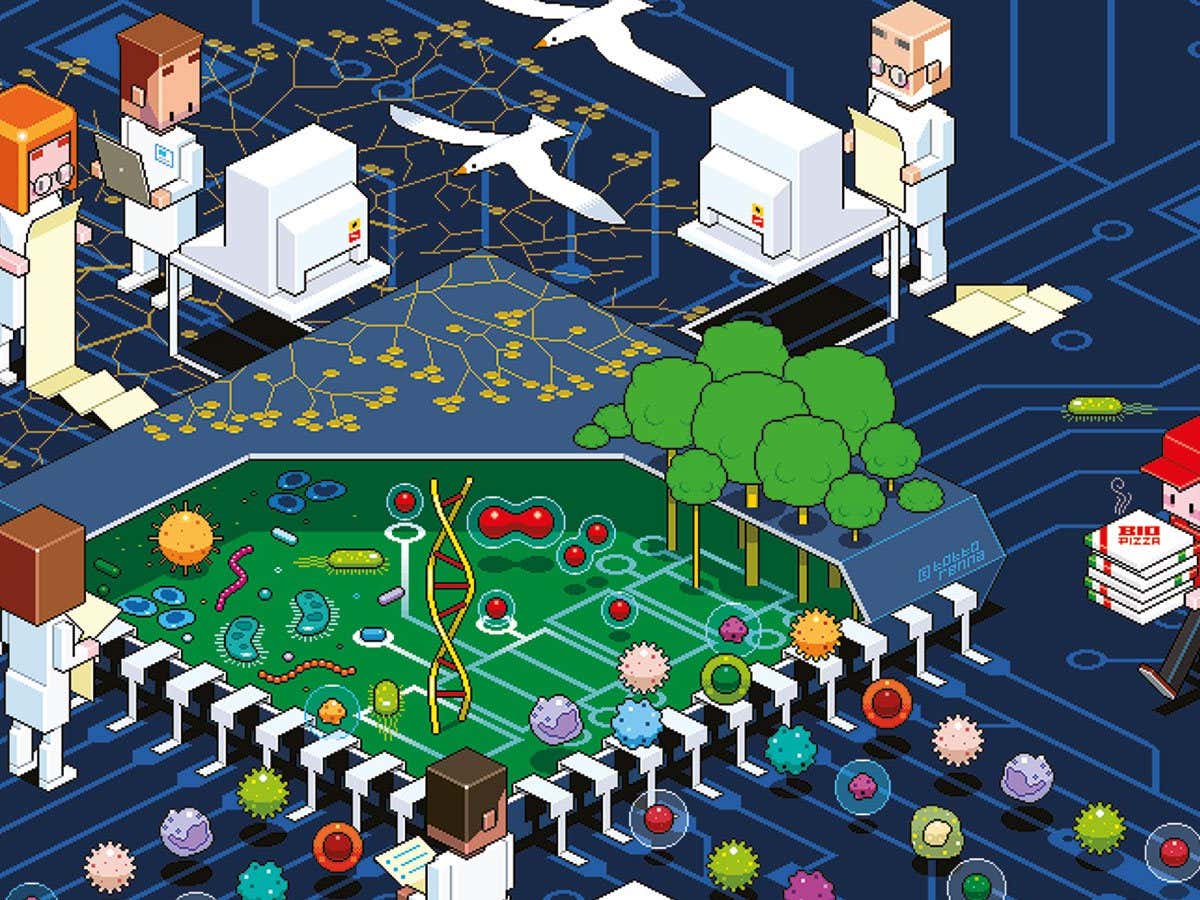
Bio-computing systems are changing the way we think about computation and intelligence in a time when digital technology is changing quickly. Bio-computing systems process information using living cells, DNA strands, and organic chemicals instead of silicon chips and binary codes like regular computers do. These systems mimic the biological processes that happen in live things, which lets them do very complicated calculations with very little energy. One of the most innovative ideas in modern science is the idea of using life itself as a computer platform.
The Idea Behind Bio-Computing Systems
Bio-computing systems combine biological parts, like proteins, enzymes, and nucleic acids, with computer logic at their most basic level. They don’t use electrical impulses; they employ physiological reactions to do things like store data, recognize patterns, and make decisions. DNA strands, for example, can hold a lot more data than digital storage devices do in a lot less space. This special feature makes bio-computing devices much more scalable and long-lasting than regular computers.
The idea is based on nature. Our brains, for example, do trillions of calculations every second and use very little energy compared to supercomputers. Bio-computing systems try to emulate this inherent efficiency by processing information at the molecular level.
How Bio-Computing Systems Function
Biological responses that operate as computational steps are what make bio-computing systems work. You can make DNA molecules do logic operations like AND, OR, and NOT, which is like how digital logic gates work. You can change these DNA sequences to store data and then put them together or take them apart depending on what you want to do with them.
Synthetic biology is also very important to this process. Scientists can make biological circuits that respond to stimuli. This lets bio-computing systems sense and react to changes in their surroundings. This makes it possible for smart biological gadgets to figure out what’s wrong with you or make chemical reactions work better on their own.
Uses for Bio-Computing Systems
Bio-computing systems could be used in many different fields. In healthcare, they can be utilized to make smart drugs that look at the state of cells and release medicine exactly where it needs to go. DNA-based computing makes it possible to store huge amounts of data for thousands of years with very little loss in quality.
Another interesting field is environmental monitoring. Using live sensors, bio-computing systems can find pollutants, poisons, and infections in real time. In farming, they can help improve crop yields by looking at the condition of the soil and water. Also, combining bio-computing systems with AI could create hybrid technologies that can do both digital accuracy and organic flexibility.
Benefits of Bio-Computing Systems
One of the best things about bio-computing systems is how well they use energy. Bio-computing works at room temperature using natural biochemical reactions, unlike silicon-based computers that make a lot of heat and need to be cooled down. Another good thing about them is that they may be scaled up or down. In theory, a single gram of DNA can hold hundreds of petabytes of data. This makes bio-computing systems perfect for keeping track of all the information that is being created every day.
Also, like living things, they can fix themselves and change to fit their needs, which makes them more reliable over time and lowers maintenance costs. In the end, this ability to change could lead to computers that evolve on their own and learn and improve without any outside programming.
Problems and Limitations
Bio-computing systems still have a lot of technical and ethical problems to solve, even though they look promising. One big problem is accuracy. Biological reactions can be unpredictable, which can cause mistakes in calculations. Also, combining biological materials with regular hardware is still hard to do. There are also moral issues with using living cells and DNA for technological purposes.
Also, it hasn’t been possible to scale it to an industrial level yet. Scientists are still looking for ways to make bio-computing systems safe enough for business use while still meeting environmental and ethical criteria.
What Will Happen to Bio-Computing Systems in the Future
There are a lot of good things to come for bio-computing systems. As research moves forward, we will probably see hybrid computers that work well with both biological and digital parts. These kinds of systems could change customized health, cybersecurity, environmental management, and AI in big ways.
Bio-computing systems could lead to a new era of biological intelligence by combining the flexibility of living things with the accuracy of computers. The border between biology and technology will continue to get blurry, bringing us closer to machines that can think, heal, and change like we do.