Introduction
The automotive industry is quickly adopting new technology, and Biometric Vehicle Access is one of the most interesting new ideas. With this new technology, drivers may unlock and start their cars using their own biometric data, including fingerprints, facial recognition, or voice patterns. It does this by using advanced identifying technologies and vehicle security systems together. Using biometric car access is safer and easier than using normal keys or key fobs. It makes sure that only people who are allowed to can get inside an automobile.
How Car Security Has Changed
Car security has come a long way since the days of only locks and keys. Now, there are advanced systems that use digital encryption. Biometric Vehicle Access is the next phase in this process. Biometric features are unique and almost impossible to reproduce, thus they get rid of the risks that come with stolen keys or hacked smart fobs. Biometric Vehicle Access are already being added to the newest models of cars by major car makers. This is changing how people utilize their cars.
How to Use Biometric Access to Your Car
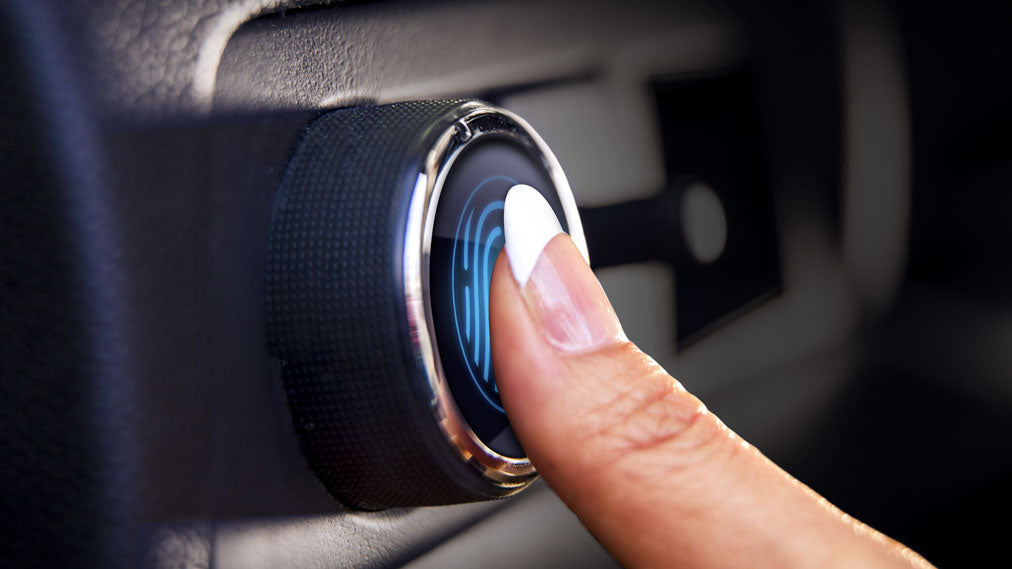
Biometric Vehicle Access uses sensors and algorithms to make sure the driver is who they say they are. Fingerprint scanners are sometimes incorporated into door handles or dashboards. Cameras that can recognize faces might be put near the driver’s seat or windshield. Some systems can even check commands by hearing your voice. The automobile unlocks and gets ready to go right away after confirming the user’s identity, making the whole process smooth and safe.
The process has three main steps:
- Enrollment: The car’s technology keeps the driver’s biometric data safe.
- Authentication: When a user wants to get into the car, the system checks the biometric feature.
- Authorization: If the data matches, the system lets you access or start the engine.
This multi-layered plan keeps biometric vehicle entry as one of the safest ways to keep your automobile safe.
Benefits of Biometric Vehicle Access
There are more benefits to biometric car access than just safety. It also makes things easier, more personal, and more convenient for consumers.
- Better Security: Biometric systems stop persons who shouldn’t be able to get in from doing so because they can’t easily copy or move physical traits.
- Personalized Settings: Once the driver is validated, the car can alter the mirrors, seat position, and infotainment settings to fit the driver’s profile.
- Keyless Freedom: Your unique identity becomes the key, so you won’t misplace your keys or have a dead fob.
- Faster Access: Recognition systems unlock cars immediately away, which saves time and effort.
Biometric car entry is becoming more and more popular around the world because of these capabilities. It will be a big part of future mobility systems.
Things to ponder about and issues
There are a lot of good things about Biometric Vehicle Access, but there are also a lot of difficulties that need to be fixed. Privacy is the most critical thing to worry about because biometric data is incredibly private. Manufacturers need to make sure that data is encrypted and kept safe, usually in the car’s internal system instead of on cloud servers.
The weather might also have an effect on performance. For instance, dirt, light, or facial coverings all make it tougher for the algorithm to tell who people are. Also, to keep the system safe, adding Biometric Vehicle Access requires tight manufacturing standards and regular software updates.
The Future of Biometric Access to Vehicles
The future generation of cars will presumably feature multi-biometric systems that use fingerprints, facial recognition, and voice recognition to make them more accurate. As AI and machine learning improve, Biometric Vehicle Access will become more adaptable, learning how people use it to make it safer and more comfortable.
This technique could be used by networked autos and smartphone apps in the near future to give biometric authentication from a distance. This will be very useful for fleets, ridesharing services, and self-driving cars because it will make sure that only certified users may drive or get inside some vehicles.
Conclusion: A smarter and safer future is on the way.
Biometric Vehicle Access is transforming how people drive by making it easier to use and adding the most up-to-date security features. Fingerprint locks and facial recognition systems are examples of this technology that are making safety, personalization, and user control better. Biometric vehicle entry will be very important in the future when cars will know who owns them not by keys or cards, but by their identification.